
Madagascar
Africa
$4,450
Switch CurrencyDuring this expedition, we search for Indri, ring-tailed lemurs, dancing sifakas and the elusive aye-aye, explore rainforest and spiny desert ecosystems, discover endemic pitcher plants and ancient baobabs, and visit the spectacular landscapes of Amber Mountain, Tsingy Rouge and Ankarana National Park.
BrochureStart Point
Sunday, August 1st, 2027
Antananarivo
End Point
Saturday, August 14th, 2027
Antananarivo

Ringtailed Lemur
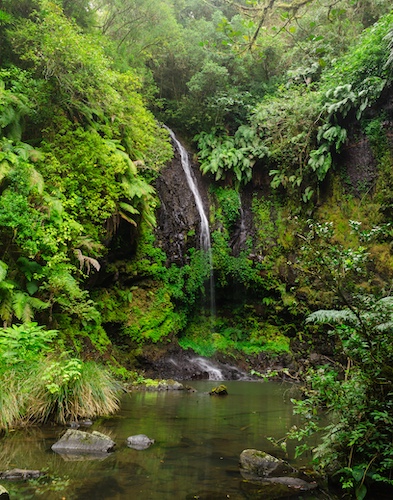
Amber Mountain National Park
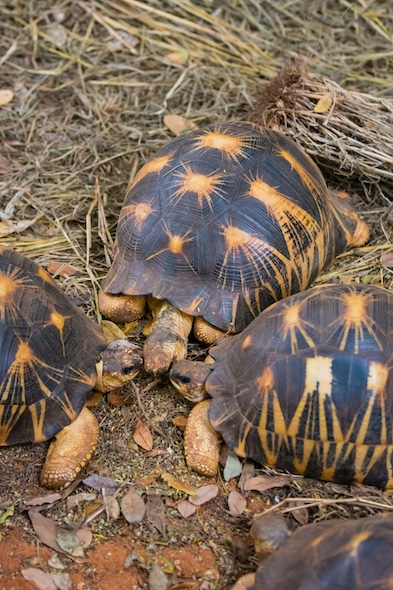
Berenty Reserve

About Madacascar
Madagascar is unlike anywhere else on Earth.
Separated from Africa for around 88 million years, this remarkable island has evolved into a living laboratory of evolution. More than 90% of its wildlife occurs nowhere else, from lemurs and chameleons to ancient baobabs, carnivorous pitcher plants and unique forests.
GETTING THERE
Fly to Antananarivo, Madagascar (TNR). There are several convenient routing options. You can fly via Johannesburg or Cape Town, South Africa, with onward connections to Antananarivo, or travel via Paris on Air France’s direct service. Regular connections are also available via Addis Ababa, Nairobi and Istanbul with Ethiopian Airlines, Kenya Airways, Turkish Airlines and other international carriers.
We recommend arriving one day before the expedition begins so you can
rest and recover from your international flights.
GETTING AWAY
The expedition ends in Antananarivo, Madagascar (TNR). Return flights are available via the same international hub cities described above. There are direct flights from Antananarivo to Seychelles and Mauritius for the perfect opportunity for a relaxing island escape before returning home.
We recommend booking departing flights one day after the trip ends to allow time to relax and provide a buffer before your onward journey.

Included
- All accommodation throughout the itinerary (shared twin or double room)
- All meals and non-alcoholic drinks
- Expert expedition team and professional guides
- All activities and excursions as per the itinerary
- All ground transport and other travel logistics as per the itinerary
- All permits, permissions and entry fees
- Basic medical kit and satellite, radio or emergency phone
Not Included
- International flights to the start point and from the end point
- Travel insurance
- Passport and travel documents (e.g. visa, if required for your nationality)
- Pre- and Post-expedition accommodation
- Tips and gratuities (optional)
- Alcoholic beverages
- Souvenirs
- Personal expenses
- Optional single room upgrade
Itinerary
From the rainforests of Andasibe to the remote Pangalanes Canal system, from the spiny forests of the south to the limestone tsingy formations of the north, this expedition showcases the astonishing wildlife and landscapes of Madagascar.
Note: Madagascar is a beautiful country, but road infrastructure remains limited and journey times can be long, rough and slow. While these overland journeys provide access to some of the island’s finest wildlife reserves, participants should be prepared for the extended road travel included in this itinerary.
Prefer different dates? We can organise a private, bespoke trip to fit your schedule and preferences.
Extend Your Journey
Extend your journey with an add-on trip to the spectacular Avenue of the Baobabs and Kirindy Forest for a chance to encounter the rare fossa. Contact us for more information: sales@redfernadventures.com

ANTANANARIVO TO ANDASIBE
Our expedition begins with pick up from your hotel in Antananarivo, Madagascar’s bustling capital, from where we travel east towards the famous rainforests of Andasibe.
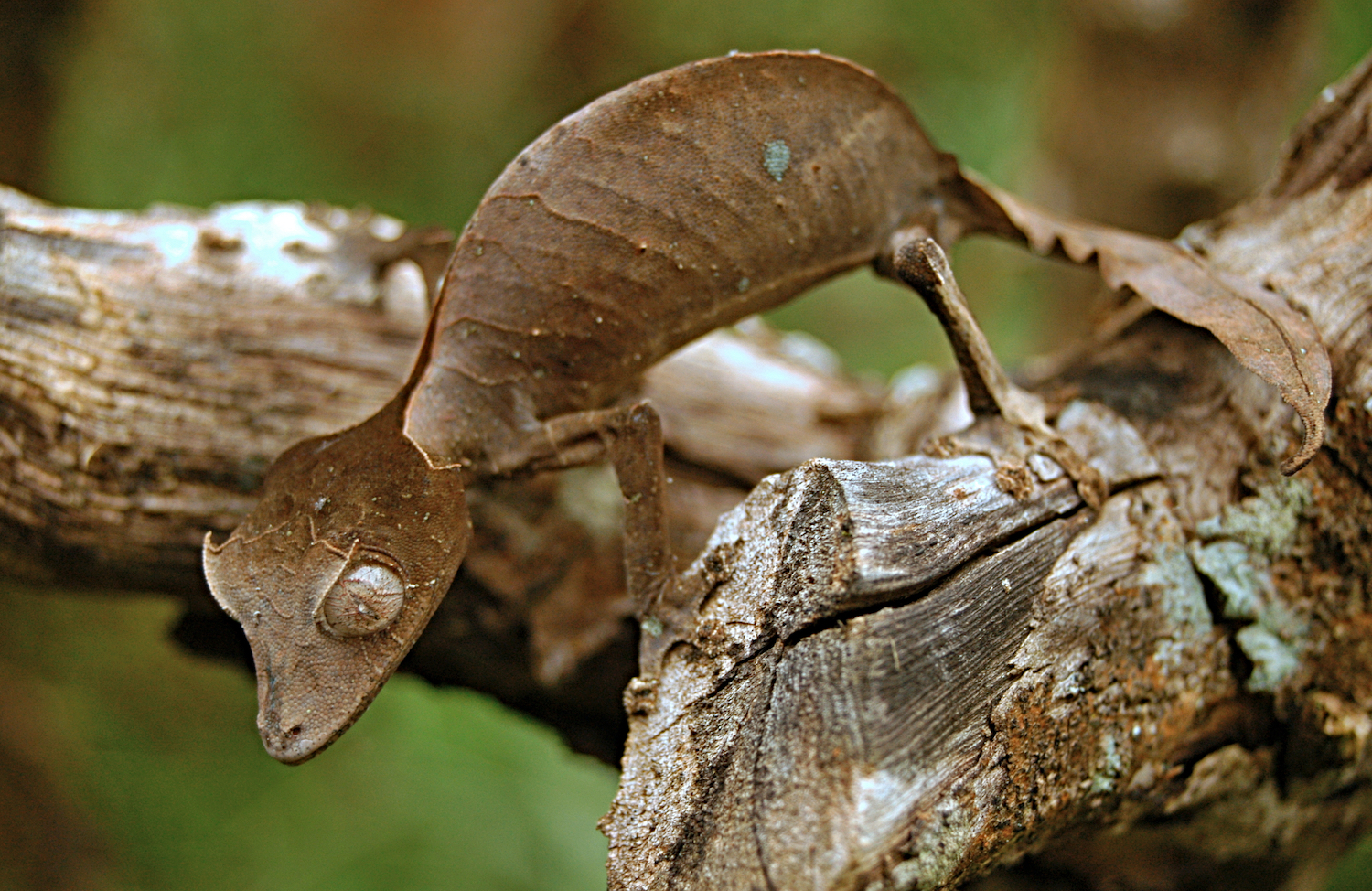
Along the way we stop at the renowned Peyrieras Reptile Reserve, one of the finest places in Madagascar to gain close views of the island’s extraordinary reptiles and amphibians. The reserve is home to an impressive collection of chameleons, geckos, frogs and snakes, many of which are endemic to Madagascar. Species frequently
encountered include Parson’s chameleons, panther chameleons, leaf-tailed geckos, golden mantella frogs, tomato frogs and several snake species. The reserve provides excellent photographic opportunities and serves as an introduction to Madagascar’s unique wildlife.
Continuing eastwards, we pass through increasingly lush landscapes before arriving in Andasibe, one of Madagascar’s premier rainforest destinations. Time permitting, participants may choose to undertake an optional night walk. These excursions often reveal an entirely different side of the forest, with nocturnal lemurs, sleeping chameleons, colourful frogs and unusual invertebrates becoming active after dark.
Overnight: Andasibe.

ANDASIBE-MANTADIA
Today we explore Andasibe-Mantadia National Park, one of Madagascar’s most celebrated protected areas and home to the largest living lemur: the Indri.
The haunting calls of these remarkable primates can often be heard echoing through the forest long before they are seen. Standing nearly one metre tall and lacking a visible tail, the Indri is among Madagascar’s most iconic animals and one of the highlights of the entire expedition.
As we walk through the rainforest with expert local
guides, we search for a variety of lemur species including common brown lemurs, bamboo lemurs and sifakas. The forest also supports numerous endemic birds, colourful frogs, orchids and fascinating invertebrates, including the giraffe-necked weevil.
After lunch, we visit the famous Lemur Island at the Vakona Reserve. Several habituated lemur species live freely on small forested islands, providing exceptional opportunities for close observation and photography. Black-and-white ruffed lemurs, bamboo lemurs and brown lemurs are frequently encountered here. This evening there is further opportunity to enjoy the atmosphere of Madagascar’s eastern rainforests.
Overnight: Andasibe.
VAKONA TO PALMARIUM
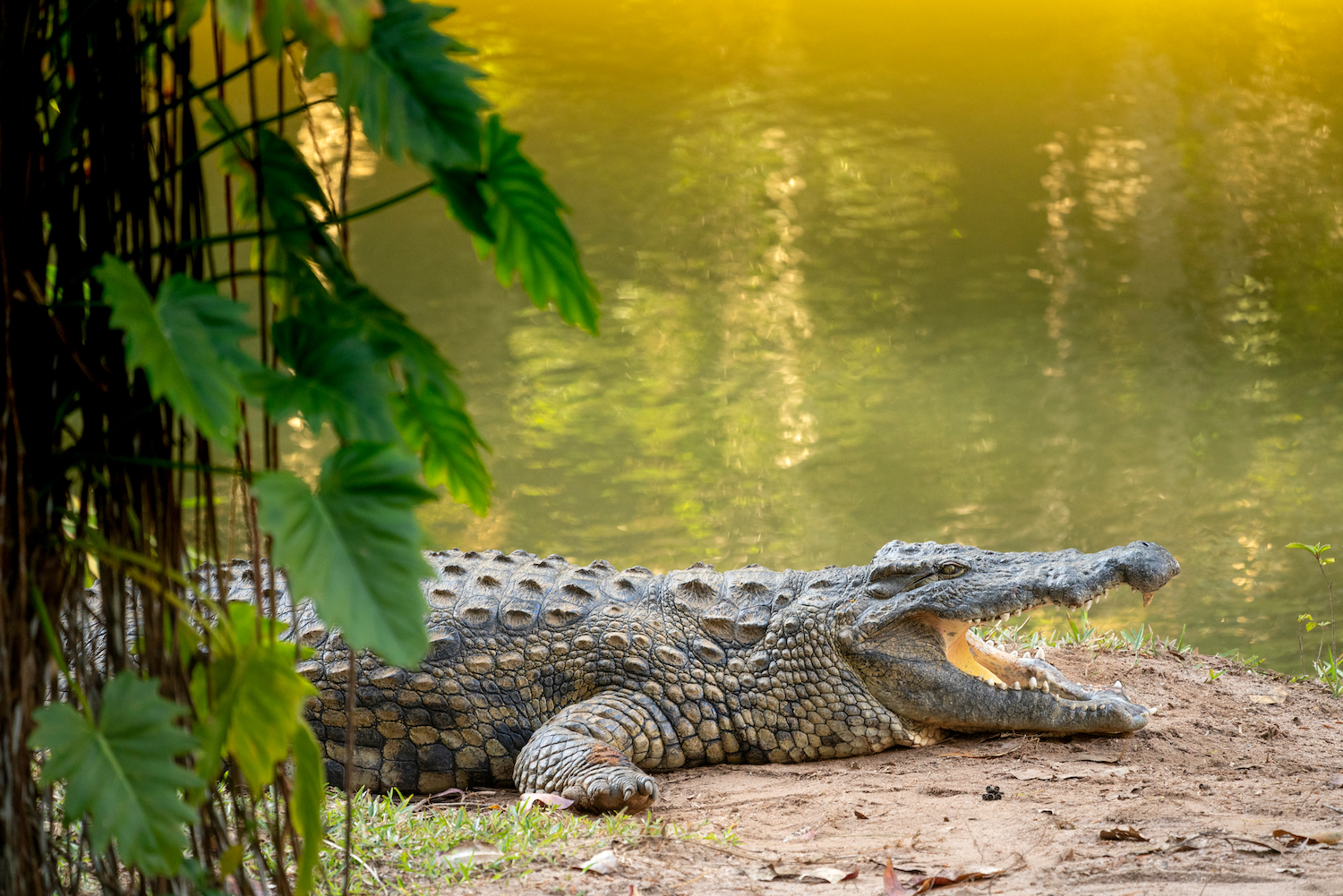
This morning we revisit the Vakona Reserve, where additional wildlife sightings may include crocodiles, fossas and several native bird species.
Afterwards, we begin our journey towards the Pangalanes Canal system, one of Madagascar’s most distinctive landscapes. Stretching for hundreds of kilometres along the east coast, these interconnected waterways separate the Indian Ocean from a narrow strip of forest and wetlands.
Travelling by boat through this beautiful environment, we pass traditional villages, traveller’s palms and pristine lakes before arriving at one of Madagascar’s finest private wildlife reserves, which supports an impressive diversity of lemurs and other endemic wildlife.
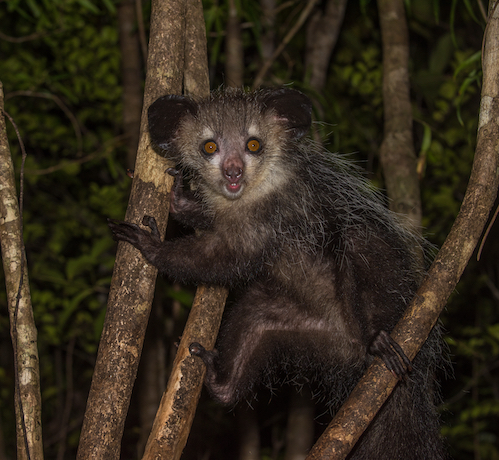
After dinner, we undertake one of the most memorable excursions of the expedition: a night-time boat trip in search of the elusive aye-aye. Often considered the strangest primate on Earth, the aye-aye uses an elongated middle finger to locate insects hidden within wood.
Encountering this extraordinary lemur in the wild is a truly unforgettable experience. Watch our promo video of encountering the aye-aye: https://youtu.be/xBYsZSOyDNM
Overnight: Palmarium.

PALMARIUM RESERVE
Today is dedicated to exploring the remarkable forests surrounding Palmarium. The reserve supports several species of lemur including black-and-white ruffed lemurs, crowned lemurs, red-fronted lemurs and indris. Wildlife viewing here is often exceptional, with many animals allowing remarkably close observation.
We also explore nearby habitats in search of some of Madagascar’s most fascinating reptiles and amphibians. Chameleons, day geckos, frogs and colourful invertebrates are frequently encountered along the forest trails. During the afternoon we visit coastal wetlands where Madagascar’s remarkable pitcher plant, Nepenthes madagascariensis, grows naturally. This fascinating carnivorous plant is one of Madagascar’s most unusual botanical treasures.
The surrounding wetlands and forests also support a rich diversity of orchids and other endemic plants, making this one of the most rewarding botanical excursions of the expedition.
Overnight: Palmarium.

RETURN TO ANTANANARIVO
Today we retrace our route through the Pangalanes Canal system before beginning the journey back to Madagascar’s central highlands.
Although primarily a travel day, the changing scenery provides a fascinating insight into the diversity of Madagascar’s landscapes.
We can make stops at locations overlooking extensive groves of endemic traveller’s palms.
We pass through rainforest-clad hills, agricultural regions and traditional villages before arriving in Antananarivo during the late afternoon.
The evening provides an opportunity to relax before beginning the next stage of our expedition in southern Madagascar.
Overnight: Antananarivo.
FORT DAUPHIN
This morning we fly south to Fort Dauphin, one of
Madagascar’s most scenic coastal regions.
Upon arrival, we transfer by road to the famous Berenty Reserve. The journey passes through increasingly arid landscapes where the vegetation changes dramatically from rainforest to Madagascar’s unique spiny forest ecosystem.
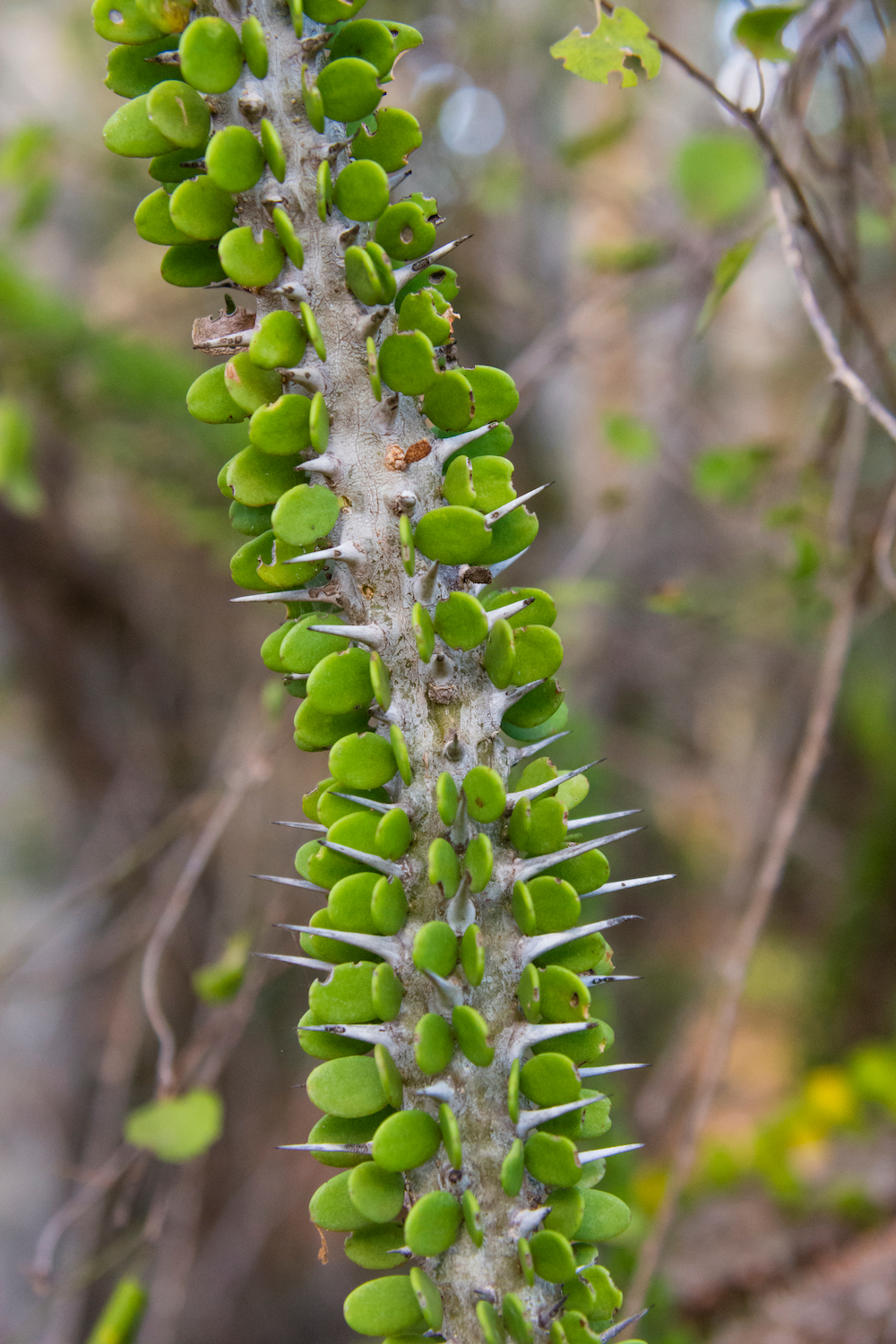
Along the way we encounter some of the island’s most remarkable plants, including octopus trees (Alluaudia), Pachypodiums, Euphorbias and other drought-adapted species found nowhere else on Earth.
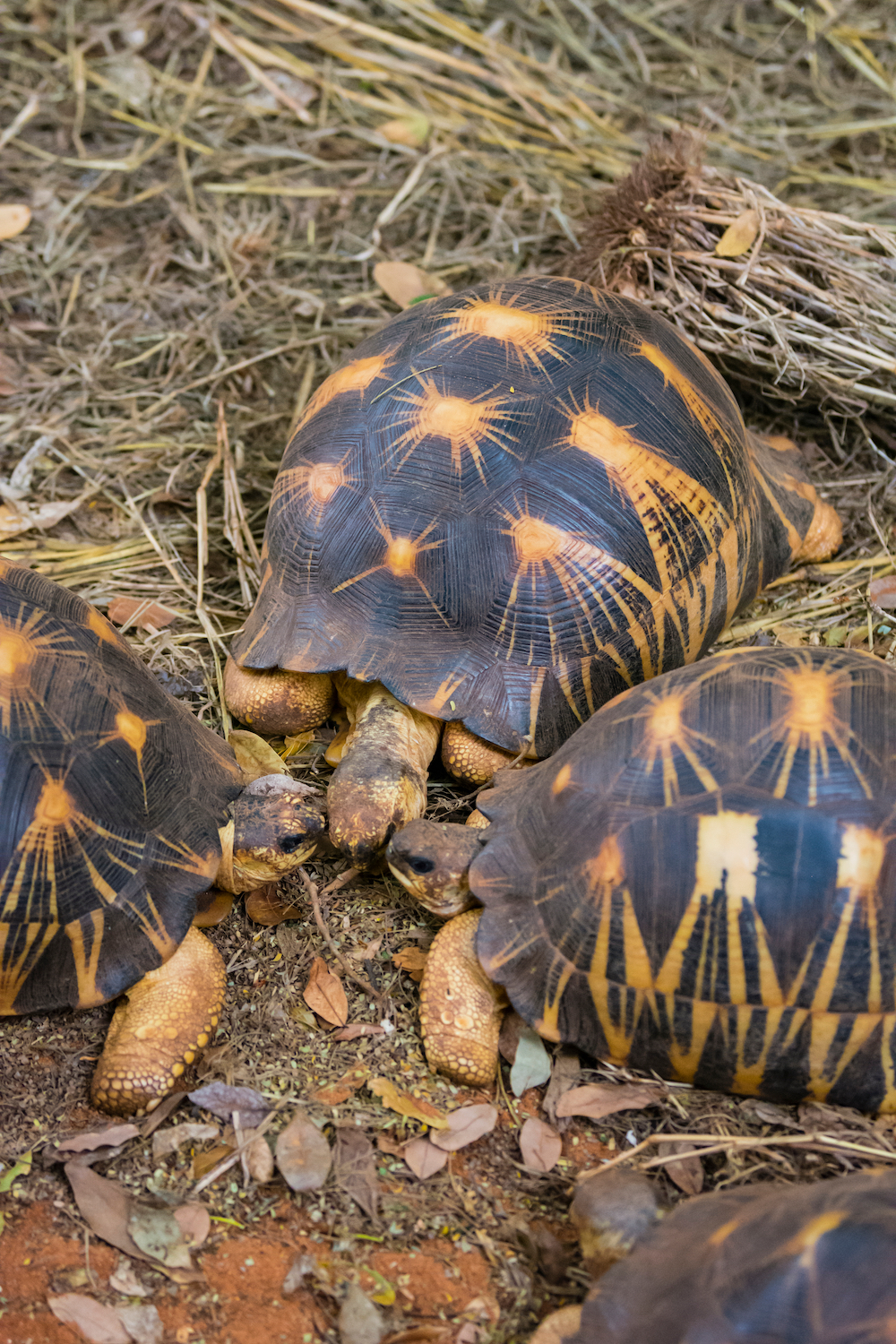
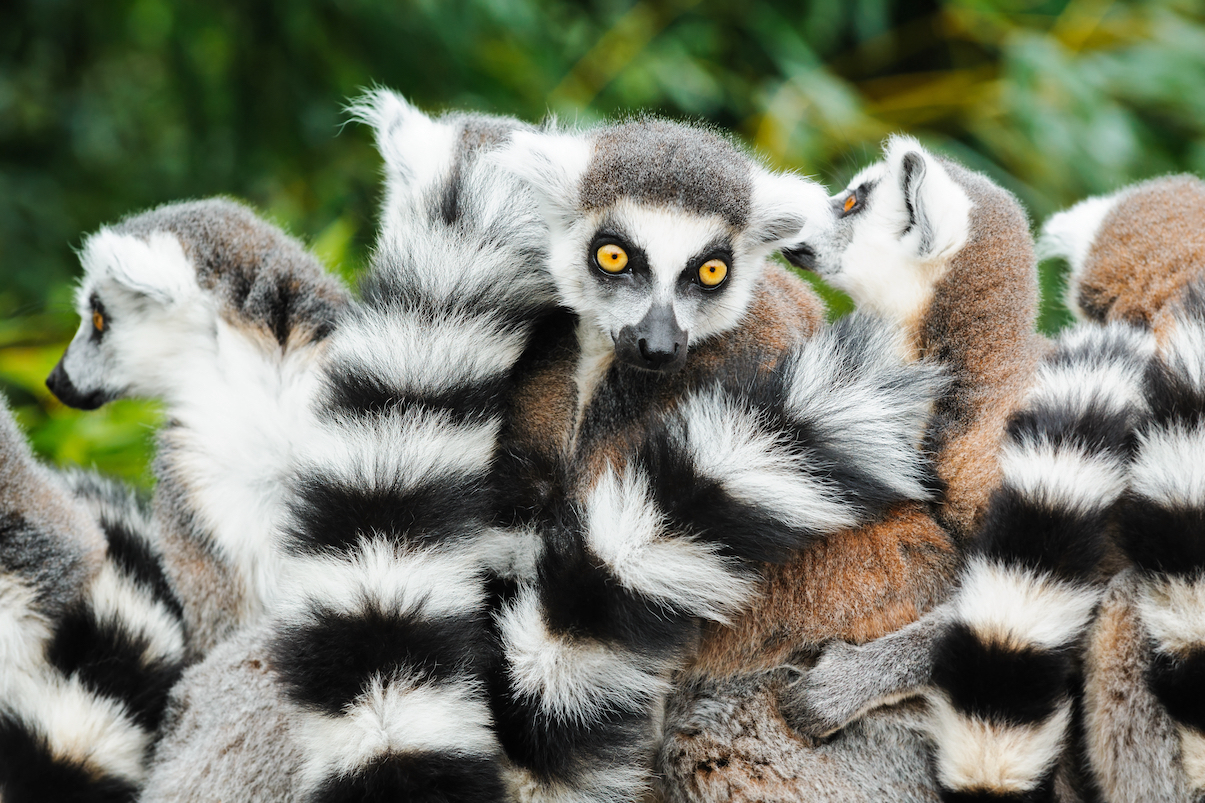
Berenty is one of Madagascar’s classic wildlife destinations and is particularly renowned for its large populations of ring-tailed lemurs and Verreaux’s sifakas. It is also a refuge for the critically endangered radiated tortoise and the spider tortoise. Following
arrival, there may be time for a short exploration or optional night walk.
Overnight: Berenty Reserve.

BERENTY RESERVE
Today, we explore the trails and forests of Berenty Reserve, famous for its spiny forest.
Found only in southern Madagascar, the spiny forest is one of the most unusual ecosystems on Earth. Dominated by bizarre, thorn-covered plants and drought-adapted trees, many of its species occur nowhere else. This remarkable landscape evolved in isolation over millions of years and supports a wealth of unique wildlife.
Ring-tailed lemurs are frequently encountered at close range, while Verreaux’s sifakas can often be seen moving through the forest with their famous sideways hopping gait, earning them the nickname “dancing sifakas”. The reserve also supports sportive lemurs, fruit bats, owls, tortoises and a variety of reptiles and invertebrates.
Berenty is also rewarding for birdlife, with the reserve and surrounding habitats supporting many of Madagascar’s endemic and characteristic species. Couas, vangas, Madagascar paradise flycatchers and Madagascar hoopoes may be encountered, while birds of prey can sometimes be seen soaring above the forest. Together with the reserve’s lemurs, reptiles and extraordinary flora, this rich birdlife adds another dimension to our exploration.
Throughout the day there will be ample opportunities for wildlife observation and photography.
Overnight: Berenty Reserve.

BERENTY TO FORT DAUPHIN
After breakfast we begin the return journey to Fort Dauphin.
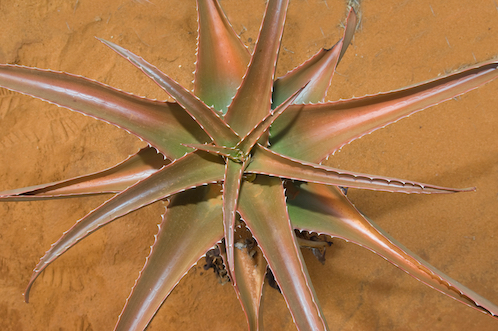
En route we visit one of Madagascar’s most important sites for Nepenthes madagascariensis. Vast populations of these remarkable carnivorous plants occur within preserved coastal wetlands, creating one of the finest pitcher plant spectacles anywhere in the world.
The wetlands also support a variety of birds, reptiles and other wildlife, whilst nearby habitats sometimes provide additional opportunities to encounter lemurs.
Later we continue to Fort Dauphin and settle into our accommodation.
Overnight: Fort Dauphin.
RETURN TO ANTANANARIVO
Today we fly back to Antananarivo.
Following arrival, we explore some of the city’s most interesting historic sites and viewpoints. Built amongst steep hills and ridges, Antananarivo offers a fascinating blend of Malagasy and French colonial influences.
Depending upon timing, we may visit scenic lakes, historic landmarks and local markets before enjoying a relaxed evening in the capital.
Overnight: Antananarivo.
AMBER MOUNTAIN
Today we fly north to Diego Suarez (Antsiranana), a city renowned for its spectacular natural harbour, dramatic bays and proximity to some of Madagascar’s finest wildlife reserves.
Upon arrival, we travel to Amber Mountain National Park, an isolated volcanic massif that rises above the surrounding dry landscapes. Reaching elevations of more than 1,400 metres, the mountain creates its own cool, humid climate, supporting a lush montane rainforest ecosystem that contrasts dramatically with the arid habitats nearby in the lowlands.
Amber Mountain is one of the island’s most important centres of biodiversity. Waterfalls, crater lakes, streams and dense rainforest provide refuge for an extraordinary concentration of endemic wildlife, much of which occurs nowhere else on Earth. We have a chance to see the ring-tailed vontsira (an endemic mammal superficially similar to a mongoose).
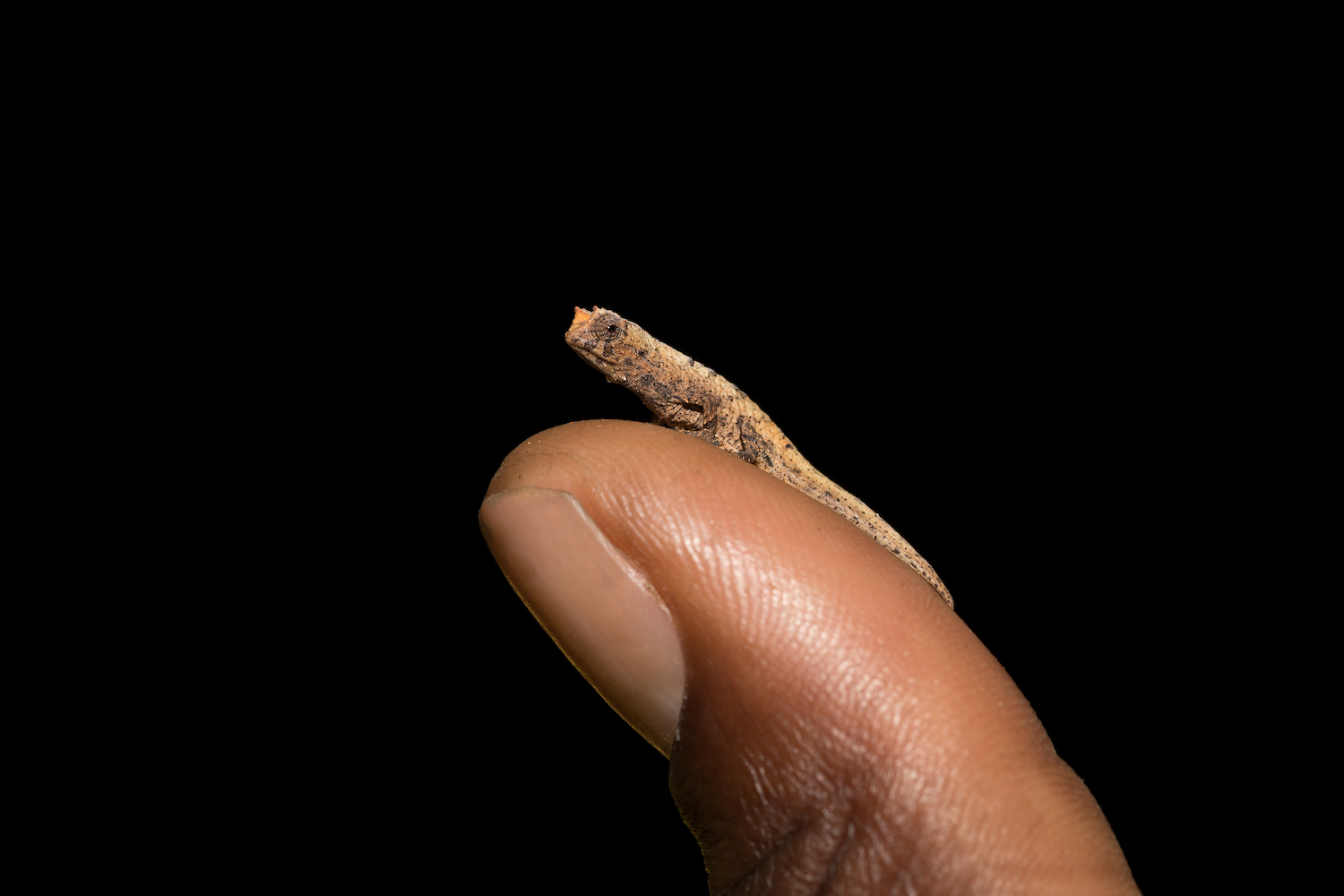
Throughout the day we explore forest trails in search of some of Madagascar’s most remarkable reptiles and amphibians. Tiny Brookesia chameleons, among the smallest reptiles on the planet, occur here alongside larger species including the impressive stump-tailed chameleon. Leaf-tailed geckos, masters of camouflage, can often be found blending perfectly into tree trunks and branches, while colourful day geckos and a variety of frogs add to the park’s remarkable diversity.
The park is also home to several species of lemur, including crowned lemurs, Sanford’s brown lemurs and a number of nocturnal species that emerge after dark. Birdlife is equally rewarding, with many endemic species inhabiting the forest canopy and understory.
After a full day exploring this remarkable rainforest sanctuary, we return to Diego Suarez for the evening.
Overnight: Diego Suarez.

TSINGY ROUGE
This morning we depart Diego Suarez and journey south towards one of Madagascar’s most spectacular geological formations: the Tsingy Rouge.
Unlike the limestone tsingy formations found elsewhere on the island, Tsingy Rouge consists of towering pinnacles of red and orange laterite sculpted by erosion into an extraordinary natural landscape. The vivid colours and bizarre rock formations create one of the most photogenic locations in
Madagascar. After exploring the site and enjoying views across this remarkable landscape, we continue south to Ankarana.
The scenery gradually changes as dry forest, limestone outcrops
and dramatic escarpments begin to dominate the landscape. By late afternoon we arrive near Ankarana National Park and settle into our accommodation in preparation for a full day exploring one of Madagascar’s most fascinating protected areas.
Overnight: Ankarana.
ANKARANA NATIONAL PARK
Today we explore the remarkable landscapes of Ankarana National Park.
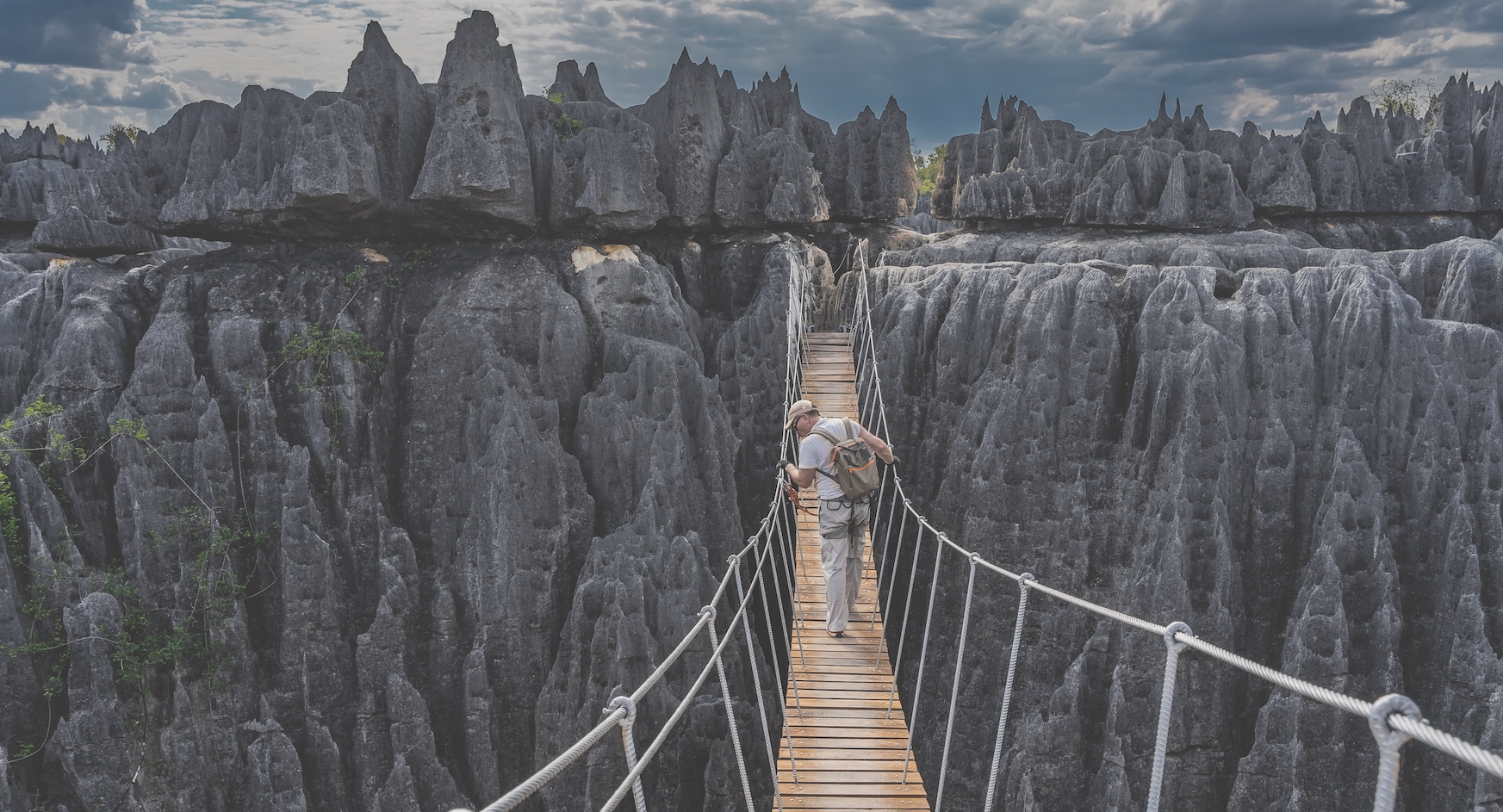
The reserve is famous for its spectacular limestone tsingy formations, vast cave systems, hidden canyons and dry deciduous forests. Over millions of years, rainfall has sculpted the limestone into a maze of razor-sharp pinnacles, creating one of Madagascar’s most distinctive natural environments.
Guided walks take us through forests, across suspension bridges and into areas where the limestone formations rise dramatically above the surrounding vegetation.
Ankarana supports an impressive diversity of wildlife. Several lemur species occur within the reserve, including crowned lemurs, Sanford’s brown lemurs and northern sportive lemurs. Reptiles are particularly diverse, and the reserve contains numerous endemic chameleons, geckos and snakes.
Birdwatchers may encounter paradise flycatchers, blue vangas, sunbirds and many other endemic species.
The combination of extraordinary geology and exceptional biodiversity makes Ankarana one of the highlights of the expedition.
Overnight: Ankarana

RETURN TO DIEGO SUAREZ
Following a final morning in northern Madagascar, we begin the journey back towards Diego Suarez. The route offers further opportunities to appreciate the landscapes of northern Madagascar, from dry forests and limestone formations to baobab-dotted plains and traditional villages.
Depending on timing and wildlife activity, we may make additional stops for photography or to search for reptiles and birds.
Upon reaching Diego Suarez, there is time to relax and enjoy the beautiful setting of one of Madagascar’s most attractive coastal cities.
Overnight: Diego Suarez.

RETURN TO ANTANANARIVO
Today we fly back to Antananarivo.
The remainder of the day provides an opportunity to relax, review photographs and enjoy some final time in Madagascar’s capital before the expedition concludes.
Depending upon flight schedules, there may be time to explore parts of the capital or visit local markets and historic districts. Options include the gem and fossil markets, art shops and galleries, the French colonial quarter and the Queen’s Palace, as well as Lake Tsarasaotra, home to impressive populations of waterbirds.
We then transfer for drop off at the airport or your hotel, where our expedition comes to a close.

BAOBABS AND KIRINDY
We recommend the following three-day / two-night add-on trip to visit the spectacular Avenue of the Baobabs and Kirindy Forest. Please email sales@redfernadventures.com for pricing.
DAY 15 SUNSET AMONG THE BAOBABS
On the first day of the Add-On Trip, we fly west to the city of Morondava and drive into the extraordinary dry landscapes of western Madagascar.
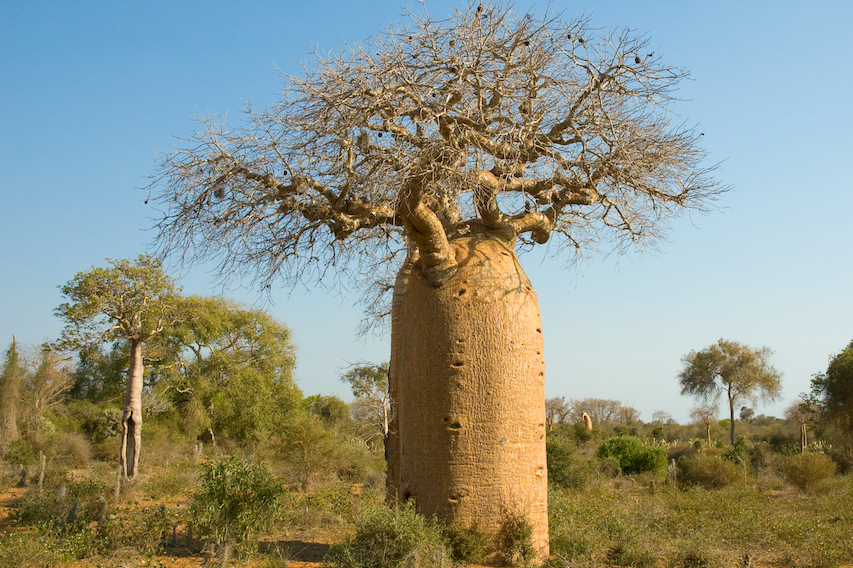
Few landscapes are more closely associated with Madagascar than the Avenue of the Baobabs. Lined by enormous Grandidier’s baobabs (Adansonia grandidieri) rising above the surrounding plains, this remarkable location is one of Africa’s most iconic natural landmarks. Endemic to Madagascar, these magnificent trees can reach around 30 metres in height, with massive swollen trunks adapted to store water and withstand the long, intensely dry season. Some of the largest individuals are thought to be many centuries old.
During the afternoon, we explore the surrounding region before arriving at the Avenue of
the Baobabs, one of the most spectacular photographic locations anywhere in Africa. Here, we have time to explore and photograph these extraordinary trees rising dramatically above the surrounding landscape.
We then drive onwards to Kirindy Forest,
one of the finest remaining areas of western Madagascar’s highly threatened dry deciduous forest, where we overnight in a simple but comfortable nature lodge.
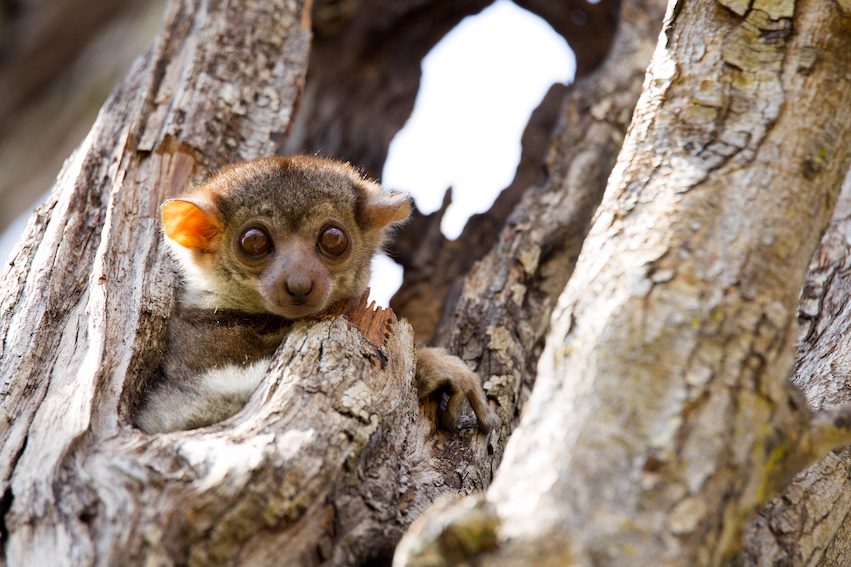
After dinner, we have the opportunity to undertake a guided night walk through the forest. Kirindy is particularly renowned for its nocturnal wildlife, and we may encounter several species of lemur, including tiny mouse lemurs, red-tailed sportive lemurs, Coquerel’s giant mouse lemurs and pale fork-marked lemurs. An exceptional diversity of reptiles is also found in the area, with around 50 species recorded, including
chameleons, geckos, snakes and boas. After dark, we search the vegetation for sleeping chameleons and beautifully camouflaged geckos, while
Madagascar scops owls may be heard calling from the forest.
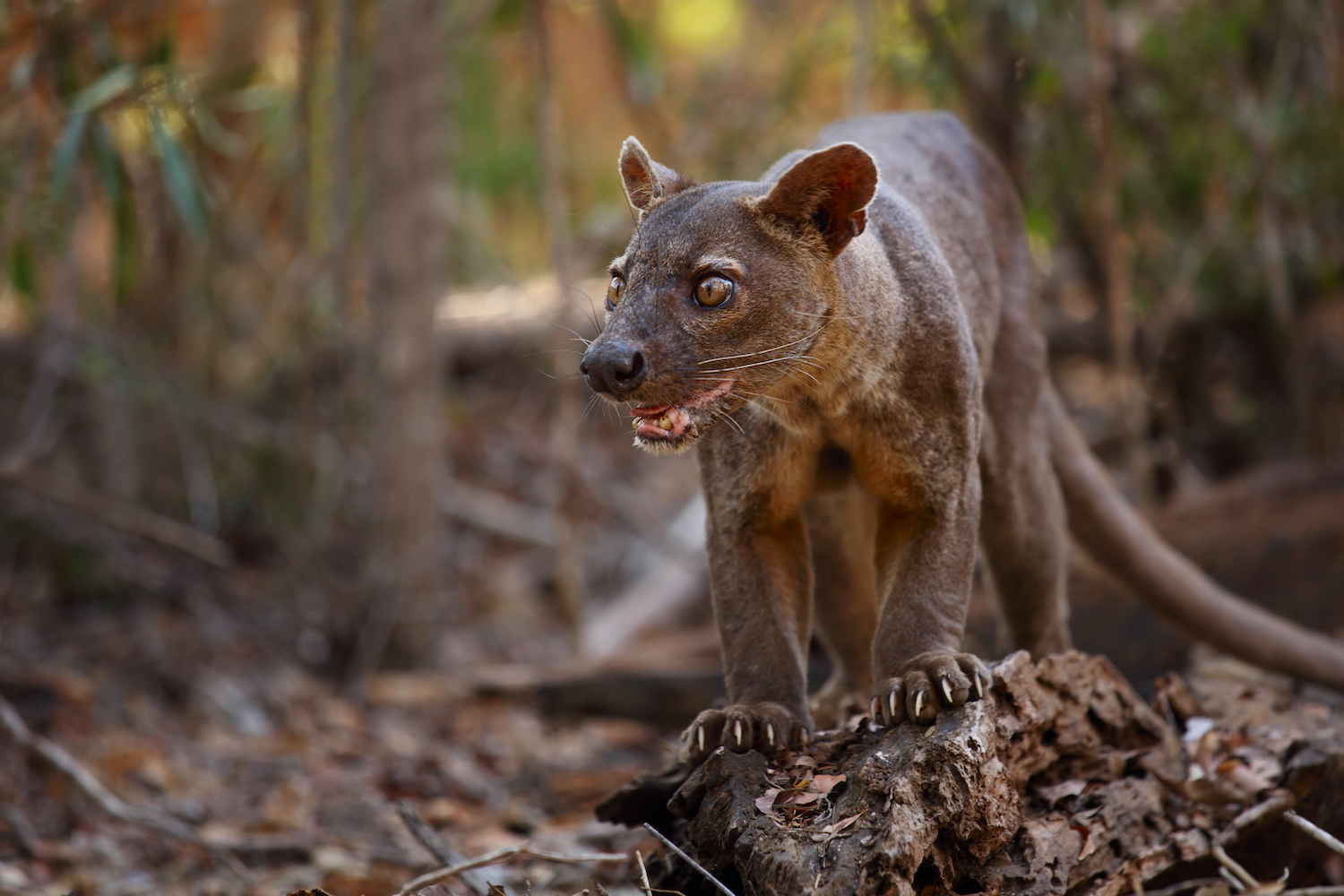
Kirindy is also home to an extraordinary diversity of endemic mammals, including the fossa – Madagascar’s largest native carnivore – and the remarkable Malagasy giant jumping rat, a large, rabbit-like rodent found only within a tiny area of western Madagascar. Now classified as Critically Endangered, the Malagasy giant jumping rat is one of the rarest and most distinctive mammals of the region.
Although sightings of these elusive mammals can never be guaranteed, Kirindy offers an exceptional opportunity to search for some of Madagascar’s most unusual wildlife.
Overnight: Kirindy Forest Nature Lodge
DAY 16: EXPLORE KIRINDY FOREST
On the second day of the Add-On Trip, following breakfast, we explore Kirindy Forest, one of Madagascar’s most important remaining areas of dry deciduous forest. This remarkable ecosystem supports an exceptional diversity of endemic wildlife and plants, many of which occur nowhere else on Earth.
Accompanied by a local expert nature guide, we undertake a four-hour wildlife-spotting walk along trails through the forest. Among the lemurs we may encounter are Verreaux’s sifaka and the red-fronted brown lemur. Verreaux’s sifakas are particularly memorable, with their striking white coats and powerful leaps between trees. When descending to the ground, these extraordinary primates move on two legs in a distinctive series of sideways bounds.
Kirindy is also an excellent location for observing Madagascar’s remarkable birdlife. As we explore the forest, we may encounter giant and crested couas, Madagascar paradise flycatchers, Madagascar magpie-robins and several species of vanga. We also keep watch for the white-breasted mesite, a ground-dwelling species belonging to a family of birds found only in Madagascar, while raptors such as Madagascar buzzards and Frances’s sparrowhawks may occasionally be seen overhead.
The forest also supports a fascinating diversity of reptiles, insects and endemic plants, all adapted to survive the pronounced annual dry season. Two species of baobab occur within Kirindy, alongside numerous other characteristic trees and plants of Madagascar’s western dry forests.
One of Kirindy’s most celebrated inhabitants is the fossa, Madagascar’s largest native carnivore. Found only in Madagascar, this remarkable predator is an agile climber
and powerful hunter capable of pursuing lemurs through the forest canopy. Although sightings can never be guaranteed, Kirindy is widely regarded as one of the best places in
Madagascar to encounter this elusive species in the wild.
After lunch, we leave Kirindy and drive back towards Morondava, returning to the Avenue of the Baobabs for the opportunity to experience this extraordinary landscape at sunset.
As the lowering sun illuminates the giant trees with golden and crimson light, the avenue becomes one of the most spectacular photographic locations anywhere in Africa.
Changing weather, cloud and light create a different atmosphere each evening, and our second visit provides another opportunity to photograph the immense silhouettes of the baobabs as the sun disappears across the landscapes of western Madagascar.
Overnight: Morondava

DAY 17: RETURN TO ANTANANARIVO
On the third and final day of the Add-On Trip, after breakfast, we transfer to Morondava
Airport and catch a flight back to Antananarivo.
As we cross Madagascar for the final time, we have an opportunity to reflect upon an extraordinary journey through one of the most biologically unique places on Earth – from the immense baobabs and dry forests of western Madagascar to the remarkable lemurs, birds and other endemic wildlife encountered along the way.
Upon arrival in Antananarivo, the Add-On Trip concludes.
READY FOR THE ADVENTURE OF A LIFETIME?
Join us in Madagascar and encounter lemurs, ancient baobabs and some of the world’s most extraordinary wildlife.

BESPOKE PRIVATE TOURS
If you prefer not to join a group tour, we can tailor a private trip to match your dates and interests. Please email us for more details.